Exposition of Ephesians 4: A Mature Faith Community Shaped by Love and Truth – Pastor David Jang (Olivet University

Aleksandr Solzhenitsyn, the great writer of the former Soviet Union, once said, “A single line of truth outweighs the whole world.” Just as his words pierced through the darkness of his age and awakened people to the dignity of human existence, truth in the world of faith is also the strongest framework that sustains a community. Yet if that framework is not clothed with the flesh of “love,” truth can easily become a cold blade that wounds one another. Through his exposition of Ephesians 4, Pastor David Jang invites us into deep reflection on how truth and love become one body and bring the church to maturity.

The Symphony of Unity Woven Through the Diversity of Gifts
We often misunderstand, thinking that only exceptional talents or highly visible offices are what carry out the work of God. Pastor David Jang, however, defines the church as “the body of Christ,” and at this very point he fundamentally corrects the way we view spiritual gifts. Just as each part of the body performs its own unique function in its proper place, every gift within the church is not a matter of superiority or inferiority, but simply a difference in role.

When places that receive applause and places of nameless service do not push each other away but remain connected, the community finally gains healthy vitality. When a culture of cooperation rather than competition takes root, worship and administration, missions and care, all flow together as one beautiful melody. Pastor David Jang sees the essence of leadership not as “who is higher,” but as “helping every member joyfully serve according to the gift they have received.”

The Journey of Personal Maturity Where Knowledge and Life Become One
Maturity does not simply mean possessing more information. In the Hebrew tradition, the word “to know” (yada) signifies deep personal communion and experiential participation with the one who is known. Pastor David Jang warns against reducing the knowledge of Christ to frozen data stored in the mind. True theological insight is only completed when the truth of Scripture is translated into a concrete way of life in the daily walk of believers.

Faith without knowledge can easily become blind enthusiasm, while knowledge without faith produces only hollow arguments. The church must rise on two strong wings together: the solid wing of doctrinal structure and the burning wing of experiencing the presence of the Holy Spirit. When this holy virtuous cycle takes place—living as we have learned and learning as we have lived—faith that was once childlike grows into mature fullness that does not waver before passing trends or distorted teachings.

The Courage to Speak What Is True in Love
The deepest secret of unity is, in the end, love. Truth without love easily turns into dogmatism, while love without truth runs the risk of becoming cowardly compromise. The exhortation of Ephesians 4, “speaking the truth in love, we are to grow up in every way into him,” remains an eternal signpost for our faith. Pastor David Jang explains love not as mere emotional sentiment, but as a willing decision and a cultivated habit to cover another’s shortcomings and gladly share responsibility.

In moments of conflict, the clearest mark of maturity is the attitude that thinks first of the good of the community rather than insisting only on one’s own position, and that can express even painful truths in the language of love. Just as the dry bones in Ezekiel’s valley were joined together by the wind of the Spirit and the cords of love to become a vast army, we too must fill up one another’s deficiencies with love as we build up the body of Christ.

The Hope of Tomorrow Formed by Small Acts of Obedience Today
Today, the church is being called to take public responsibility for the world beyond its walls. Mature faith must be proven through a concrete life that empathizes with the pain of the local community and practices justice and mercy. Pastor David Jang emphasizes that such practice does not begin with grand slogans, but with “small steps” such as restoring family worship, encouraging colleagues, and blessing neighbors.

Even in an age when digital life has become ordinary, the unchanging core remains deep fellowship within a face-to-face community. While the convenience of online platforms can expand the reach of the gospel, we still need the balance of not losing the spirituality of gathering in person to break bread and pray together. The path presented by Pastor David Jang is by no means an unattainable ideal. With the help of the Holy Spirit, one gentle word we choose today and one honest decision we make can come together to transform the church’s tomorrow.

How far have we grown now as the body of Christ? We must quietly ask ourselves whether we may have wounded someone in the name of truth, or whether, under the excuse of love, we may have let go of the truth we ought to have held firmly. On this narrow yet glorious path of speaking the truth in love and building one another up, may the sincere response of each one of us remain.

www.davidjang.org

에베소서 4장 강해: 사랑과 진리가 빚어내는 성숙한 신앙 공동체 – 장재형 목사 (Olivet University)

구소련의 문호 솔제니친은 “한 줄기 진리가 전 세계보다 무겁다”고 말했습니다. 그의 문장이 시대의 어둠을 뚫고 인간 존재의 존엄을 일깨웠듯, 신앙의 세계에서도 진리는 공동체를 지탱하는 가장 견고한 뼈대입니다. 하지만 그 뼈대 위에 ‘사랑’이라는 살이 입혀지지 않는다면, 진리는 자칫 차가운 칼날이 되어 서로를 상하게 할지도 모릅니다. 장재형 목사는 에베소서 4장의 강해를 통해, 진리와 사랑이 어떻게 한 몸을 이루어 교회를 성숙하게 하는지에 대한 깊은 사유를 우리에게 던져줍니다.

은사의 다양성이 빚어내는 연합의 교향곡

우리는 흔히 뛰어난 재능이나 눈에 띄는 직분만이 하나님의 일을 이끈다고 오해하곤 합니다. 그러나 장재형 목사는 교회를 ‘그리스도의 몸’으로 정의하며, 이 지점에서 은사를 바라보는 우리의 시선을 근본적으로 교정합니다. 몸의 각 기관이 저마다의 위치에서 고유한 기능을 수행하듯, 교회 내의 모든 은사는 우열이 아닌 ‘역할’의 차이일 뿐입니다.

박수를 받는 자리와 이름 없이 섬기는 자리가 서로를 밀어내지 않고 연결될 때, 공동체는 비로소 건강한 생명력을 얻습니다. 경쟁이 아닌 협력의 문화가 자리 잡을 때, 예배와 행정, 선교와 돌봄은 하나의 아름다운 선율이 되어 흐릅니다. 장재형 목사는 리더십의 본질을 ‘누가 더 높은가’가 아니라 ‘모든 지체가 자신의 은사를 따라 기쁘게 섬기도록 돕는 것’에 둡니다.

앎과 삶이 일치되는 인격적 성숙의 여정

성숙이란 단순히 정보가 많아지는 상태를 의미하지 않습니다. 히브리적 전통에서 ‘안다(야다)’는 표현은 대상과의 깊은 인격적 교제와 체험적 참여를 뜻합니다. 장재형 목사는 그리스도를 아는 지식이 머릿속 데이터로 박제되는 것을 경계합니다. 참된 신학적 통찰은 성경 속의 진리가 성도의 일상 속에서 구체적인 삶의 양식으로 번역될 때 비로소 완성되기 때문입니다.

지식 없는 믿음은 맹목적인 열광에 그치기 쉽고, 믿음 없는 지식은 공허한 논쟁만을 낳습니다. 교회는 교리적 체계라는 든든한 날개와 성령의 임재를 경험하는 뜨거운 날개로 함께 날아올라야 합니다. 배운 대로 살고, 산 대로 배우는 이 거룩한 선순환이 일어날 때, 어린아이와 같던 신앙은 거센 유행과 왜곡된 가르침 앞에서도 흔들리지 않는 장성한 분량으로 자라나게 됩니다.

사랑 안에서 참된 것을 말하는 용기

연합의 가장 깊은 비밀은 결국 사랑입니다. 사랑 없는 진리는 독선이 되기 쉽고, 진리 없는 사랑은 비겁한 타협으로 흐를 위험이 있습니다. 에베소서 4장이 권면하는 “사랑 안에서 참된 것을 하여 범사에 그에게까지 자랄지라”는 말씀은 우리 신앙의 영원한 이정표입니다. 장재형 목사는 사랑을 단순한 감정적 유희가 아니라, 상대의 허물을 덮고 책임을 기꺼이 나누는 의지적 결단이자 습관으로 설명합니다.

갈등의 순간에 자기 주장만을 관철하기보다 공동체의 유익을 먼저 생각하며, 아픈 진실조차 사랑의 언어로 담아낼 수 있는 태도야말로 성숙의 가장 분명한 표지입니다. 에스겔 골짜기의 마른 뼈들이 성령의 바람과 사랑의 끈으로 연결되어 큰 군대를 이루었듯, 우리 역시 서로의 부족함을 사랑으로 메우며 그리스도의 몸을 세워가야 합니다.

일상의 작은 순종이 만드는 내일의 희망

오늘날 교회는 담장 너머 세상을 향한 공적 책임을 요구받고 있습니다. 성숙한 신앙은 지역 사회의 아픔에 공감하고, 정의와 자비를 실천하는 구체적인 삶으로 증명되어야 합니다. 장재형 목사는 이러한 실천이 거창한 구호가 아닌, 가정예배를 회복하고 동료를 격려하며 이웃을 축복하는 ‘작은 걸음’에서 시작된다고 강조합니다.

디지털이 일상이 된 시대에도 변하지 않는 핵심은 대면하는 공동체 속에서의 깊은 교제입니다. 온라인의 편리함으로 복음을 확장하되, 함께 떡을 떼며 기도하는 현장의 영성을 놓치지 않는 균형이 필요합니다. 장재형 목사가 제시하는 이 길은 결코 도달할 수 없는 이상이 아닙니다. 성령의 도우심 안에서 우리가 오늘 선택하는 온유한 말 한마디, 정직한 결정 하나가 모여 교회의 내일을 바꿀 수 있습니다.

우리는 지금 그리스도의 몸으로서 어디까지 자라나 있습니까? 혹시 진리라는 이름으로 누군가에게 상처를 주지는 않았는지, 혹은 사랑이라는 핑계로 마땅히 붙들어야 할 진리를 놓치지는 않았는지 조용히 자문해 보아야 합니다. 사랑 안에서 진리를 말하며 서로를 세워가는 이 좁고도 영광스러운 길 위에, 우리 모두의 진심 어린 응답이 머물기를 소망합니다.

www.davidjang.org

渗入冰封世界裂缝的圣洁生态 – 张大卫牧師 (Olivet University)

张大卫牧師

在俄国文学巨匠列夫·托尔斯泰的经典名作《人靠什么活着》中,出现了一位贫穷却心地温暖的鞋匠西蒙。他仅有的一件旧羊皮外套,是要与妻子一同熬过严冬的全部依靠;而就在某个寒冷的夜晚,他想给这件外套添些毛皮,却因钱不够而空手而返。然而,在风雪交加的路边,他实在无法对一个赤身露体、几乎冻僵的陌生青年视若无睹。短暂犹豫之后,他终于脱下自己那件破旧的外套,披在陌生人弯曲的肩头上,又把他带回家中,甘心把最后剩下的热面包和热茶与之分享。后来,人们才知道,那青年原来是因受罚而被赶到地上的天使米迦勒。天使留下了一句伟大的真理后便升天而去:“人活着,不是靠自我保全的自私之心,而是靠着愿意填补他人缺乏的爱。”这崇高的文学见证,向我们展示了:逆着人彻底自私的本性,甘愿分享自己生命的利他之爱,是如何温暖地支撑着这个世界的。然而,圣经却宣告,这样的分享绝不能仅凭人一时的善意或所谓善良本性来完成;它邀请我们归向那永不枯竭的恩典源头。

使紧握的手张开的十字架悖论与丰盛。在《哥林多后书》第9章中,使徒保罗为了帮助贫困的耶路撒冷教会,而向外邦诸教会所请求的“捐献(奉献)”,并不是简单的慈善募捐,也不是一次性的救济活动。那是一场神圣而革命性的属灵事件,显明福音如何彻底重塑一个人僵硬的灵魂和自私的钱囊。张大卫牧师借着对这段经文深刻的神学洞见,清楚强调:捐献一方面是填补他人物质缺乏的经济行为,另一方面也是那看不见的天上恩典凝结为可见物质形态的通道。正如我们常常误解的那样,真正的丰盛并不来自账户余额上的数字,也不来自仓库中堆积的粮食。凡在十字架上已经经历了无尽恩典的圣徒,就会开始不再用吝啬计算的尺度,而是用满溢感恩的眼光重新评估自己的所有。不是出于被迫挤出来的伦理义务,也不是出于怜悯式的施舍,而是那在灵魂深处如瀑布般涌流的生命,自然而然地使原本紧握不放的手张开。这就是福音真正的能力,也是使徒保罗所说恩典的实体。

逆行于“各自求生”时代的圣洁属灵生态系统。保罗把奉献比作“撒种的农夫之工”。种子不是安稳地存放在安全的仓库中时才有价值,而是惟有甘愿被投入那会朽坏的黑暗土壤里时,才会结出三十倍、六十倍充满生命力的果实。若我们安静进入深层的圣经默想,就会领悟到,保罗所呼吁的这种分享,绝不是一种“奉献得越多,就会回报得越多”的世俗而功利的投资逻辑。张大卫牧师的讲道,将这种奉献的波动深刻阐释为“神国属灵生态系统的原则”。初代教会的周济,是对那个被强权逻辑所支配的帝国式“各自求生”秩序的正面挑战,是极其激进的“均等”实践。一个肢体若饥饿,其他肢体也甘愿把那痛苦看作自己的;一个肢体若丰盛,那丰盛就如血脉一般自然流向他人。这正是作为基督身体那有机而连结的呼吸。不是把贫穷放任为个人无法改变的宿命,也不是把穷人仅仅当作值得同情的对象,而是把他们置于信仰共同体的中心,一同承担那份重担——这才是教会真正的面貌,也是它与世上一切群体彻底不同之处。

超越奉献箱,渗入他人伤口之中的具体之爱。圣经所说的分享与捐献,绝不能被还原为冰冷的经济数字或会计账簿上的记录。归根结底,它乃是温暖地恢复人失落的尊严,并重新连接那些曾经断裂关系的爱之桥梁。保罗说,借着捐献而得到物质帮助之人,从口中爆发出来的真实“感谢”,又会化为恳切的祷告,不再区分受助者与支持者,而是把整个共同体在属灵上紧紧连结起来。张大卫牧师指出,这种感谢、爱与祷告彼此循环的有机结构,正是使教会不断成熟的属灵心跳。若现代教会只是以“为未来做准备”这种世俗名义不断大量积累财务,却对眼前流血呻吟的邻舍视而不见,那它不过是一个失去生命力的宗教团体。今日教会所需要恢复的,不是华丽的建筑,也不是精巧的项目,而是那位好撒马利亚人神圣的勇气——甘愿把遭遇强盗之人的痛苦纳入自己忙碌的日程之中。

归根结底,张大卫牧师所传讲的《哥林多后书》第9章的宏大信息,是迫切邀请今日的圣徒不要过“积攒更多”的人生,而要活出“流淌得更深、更广”的人生。圣徒真正的服事,绝不会止于主日礼拜堂华丽灯光下的奉献箱前。它应当像西蒙脱下自己那件旧外套,披在冻僵邻舍肩头上的那双朴素之手一样,成为发生在最日常、最具体生活现场中的伟大信仰告白。今天,你的丰盛正积聚在哪一片洼地里?还是说,它正如活水一般,流向某个正在干涸的邻舍灵魂?在张大卫牧师这沉重而刺骨的问题面前,我们不得不彻底悔改那种以廉价恩典为借口、为自私辩护的可耻样貌。愿这篇充满生命力的讲道回响,能大大敞开我们每一个人紧紧关闭的钱囊与内心,使温暖的基督之爱毫无阻碍地流向这冰封世界的中央,成为那圣洁而有生命力的引水之源。

www.davidjang.org

凍てついた世界の裂け目にしみ込む聖なる生態系 – 張ダビデ 牧師 (Olivet University)

ロシアの文豪レフ・トルストイの古典的名作『人は何によって生きるか』には、貧しいながらも温かな心を持つ靴職人シモンが登場します。彼には、厳しい冬を妻とともに越すための、たった一着の古びた羊皮の外套しかありませんでした。その外套に毛皮を継ぎ足そうとしたものの金が足りず、手ぶらで引き返していた、ある寒い夜のことでした。けれども彼は、吹雪の道端で裸のまま凍え死にかけている見知らぬ青年を、どうしても見過ごすことができません。しばらくためらった末、彼はついに自分の古い外套を脱いでその青年のうなだれた肩を覆い、家へ連れ帰って、最後に残っていた温かなパンと茶を喜んで分け与えます。のちに、その青年が罰を受けて地上へ追放された天使ミカエルであったことが明かされ、天使は「人は、自分のことだけを顧みる利己的な心によってではなく、他者の欠乏を満たそうとする愛によって生きる」という偉大な真理を残して昇天します。この崇高な文学的証言は、徹底した利己的本性に逆らい、進んで自らの生活を分かち合う利他性が、どれほど世界を温かく支えているかを示しています。しかし聖書は、このような分かち合いが単なる人間の一時的な善意や善良さだけでは決して完成し得ないと宣言し、永遠に枯れることのない恵みの源へと私たちを招きます。

握りしめた手を開かせる十字架の逆説と豊かさ。コリント人への手紙二 9章で、使徒パウロが窮乏するエルサレム教会のために異邦人教会へ求めた「献金」は、単なる慈善募金や一回限りの救援活動ではありませんでした。それは、福音が一人の硬くなった魂と利己的な財布をいかに根本から組み替えるのかを示す、聖なる、しかも革命的な霊的出来事です。張ダビデ牧師は、この本文に対する深い神学的洞察を通して、献金が誰かの物質的欠乏を満たす経済行為であると同時に、見えない天の恵みが目に見える物質的形として結晶する通路であることを明確に強調します。私たちがしばしば誤解するように、真の豊かさは預金残高の数字や倉に積まれた穀物の量から生まれるのではありません。十字架においてすでに尽きることのない恵みを経験した聖徒は、もはやけちな計算の物差しではなく、あふれる感謝の眼差しで自らの持ち物を見直し始めます。無理に搾り出す倫理的義務や同情ではなく、私の魂の内に滝のようにあふれ流れるいのちが、固く握りしめていた手を自然に開かせる奇跡――これこそが、真の福音の力であり、使徒パウロが語った恵みの実体なのです。

自分だけで生き延びようとする時代に抗う聖なる霊的生態系。パウロは献金を「種をまく農夫の働き」にたとえます。種は、安全な倉の中に大切に積んでおくときではなく、進んで朽ちることを受け入れて暗い土の中に投じられるとき、はじめて三十倍、六十倍のいのちあふれる実を結びます。深い聖書黙想の場に静かに進み出るなら、私たちは、パウロが求めたこの分かち合いが決して「多くささげれば、より多く返ってくる」という世俗的でご利益的な投資論理ではないことに気づかされます。張ダビデ牧師の説教は、この献身の波動を「神の国の霊的生態系の原理」として深く解き明かします。初代教会の慈善は、力の論理が支配していた帝国の、自分だけで生き残ろうとする秩序に真正面から逆らう、きわめて急進的な「均等」の実践でした。一つの肢体が飢えれば他の肢体もその痛みを進んで自分のものとみなし、一つの肢体が豊かであればその豊かさを血管のように自然に流し出す、有機的なキリストの体の呼吸でした。貧困を避けがたい個人の宿命として放置せず、貧しい者を憐れみの対象としてではなく、信仰共同体の中心に置いてその重荷を共に担うこと――これこそが、この世のいかなる集団とも徹底的に区別される教会の本当の顔です。

献金箱を越えて、他者の傷の中へとしみ込む具体的な愛。聖書が語る分かち合いと献金は、決して冷たい経済指標や会計帳簿の記録へと還元されません。それは結局のところ、失われた人間の尊厳を温かく回復し、断たれていた関係の裂け目をもう一度つなぎ直す愛の橋です。パウロは、献金によって物質的助けを受けた人々の唇からほとばしる真実の「感謝」が、再び切なる祈りとなって、受け手と支え手を分け隔てることなく共同体全体を霊的に結び合わせると語ります。張ダビデ牧師は、こうした感謝と愛、祈りの有機的な循環構造こそが、教会を絶えず成熟させる霊的な心拍であると指摘します。もし現代教会が、将来に備えるという世俗的な名目のもとで財政を巨大に蓄積するばかりで、今まさに血を流しうめいている隣人を顧みないなら、それは命を失った宗教集団にすぎないでしょう。今日の教会が回復すべきものは、華麗な建築物や精巧なプログラムではありません。追いはぎに襲われた者の苦しみを、進んで自分の忙しい予定の中へ組み込む善きサマリア人の聖なる勇気です。

結局のところ、張ダビデ牧師が伝えるコリント人への手紙二 9章の壮大なメッセージは、今日の聖徒たちを「より多く蓄える生き方」ではなく、「より深く、より広く流し出す生き方」へと切に招いています。聖徒の真の奉仕は、日曜礼拝堂の華やかな照明の下に置かれた献金箱で決して終わるものではありません。それは、シモンが自分の古びた外套を脱いで凍えた隣人の肩を覆ってあげた、その無骨な手つきのように、最も日常的で具体的な生活のただ中でなされるべき偉大な信仰告白なのです。今日、あなたの豊かさはどこかの水たまりに向かってよどんでいるでしょうか。それとも、干からびていく誰か隣人の魂に向かって、生ける水のように流れているでしょうか。張ダビデ牧師のこの重く、そして痛切な問いの前で、私たちは、安価な恵みを口実に利己心を正当化していた恥ずべき姿を徹底して悔い改めるよう促されます。どうかこのいのちあふれる説教の響きが、私たち一人ひとりの固く閉ざされた財布と心を大きく開き、凍てついた世界のただ中へ、温かなキリストの愛を滞りなく流し出す聖なる呼び水となるよう、切に祈ります。

日本オリベットアッセンブリー教団

www.davidjang.org

Un ecosistema santo que se filtra por las grietas de un mundo congelado – Pastor David Jang (Olivet University)

Pastor David Jang

En la obra maestra clásica de León Tolstói, el gran escritor ruso, ¿De qué viven los hombres?, aparece Simón, un zapatero pobre pero de corazón cálido. Todo lo que tenía para pasar el crudo invierno junto a su esposa era un solo abrigo viejo de piel de oveja, y ni siquiera podía reforzarlo con más forro porque no tenía dinero, de modo que una noche fría regresaba a casa con las manos vacías. Sin embargo, no pudo ignorar a un joven desconocido que, desnudo al borde del camino bajo la ventisca, se estaba congelando. Tras vacilar por un momento, finalmente se quitó su viejo abrigo, cubrió los hombros encorvados del desconocido, lo llevó a su casa y compartió con gusto el último pan caliente y el té que le quedaban. Más tarde se revela que aquel joven era el ángel Miguel, expulsado a la tierra como castigo, y el ángel asciende al cielo dejando esta gran verdad: “El hombre no vive por un corazón egoísta que solo mira por sí mismo, sino por el amor que busca llenar la carencia del otro”. Este noble testimonio literario muestra hasta qué punto el altruismo, que voluntariamente comparte la propia vida en contra de una naturaleza profundamente egoísta, sostiene y calienta al mundo. Pero la Biblia declara que este compartir jamás puede completarse solo con la bondad pasajera o el buen corazón humano, y nos invita a la fuente de una gracia que nunca se seca.

La paradoja y la generosidad de la cruz que hacen abrir las manos cerradas
En 2 Corintios 9, la “colecta” que el apóstol Pablo pidió a las iglesias gentiles para la necesitada iglesia de Jerusalén no era una simple campaña benéfica ni una actividad de ayuda puntual. Era un acontecimiento espiritual santo y revolucionario que muestra cómo el evangelio reconstruye por completo un alma endurecida y una billetera egoísta. A través de una profunda reflexión teológica sobre este pasaje, el pastor David Jang subraya con claridad que la colecta no es solo un acto económico que suple la carencia material de alguien, sino también el canal por el cual la gracia invisible del cielo se solidifica en una forma visible y tangible. Como a menudo malinterpretamos, la verdadera generosidad no proviene del saldo de una cuenta bancaria ni de la cantidad de grano almacenado en un granero. Quien ya ha experimentado la gracia inagotable de la cruz comienza a reevaluar sus bienes, ya no con el criterio mezquino del cálculo, sino con la mirada rebosante de gratitud. No se trata de una obligación moral arrancada a la fuerza ni de mera compasión, sino del milagro por el cual la vida que desborda como una cascada dentro del alma hace que la mano, antes rígidamente aferrada, se abra de manera natural. Ese es precisamente el poder del verdadero evangelio y la realidad de la gracia de la que habló el apóstol Pablo.

Un santo ecosistema espiritual que desafía la era del “cada uno por su cuenta”
Pablo compara la ofrenda con “la labor de un agricultor que siembra”. La semilla no da fruto cuando se guarda segura en un almacén; solo cuando se arroja con voluntad a la tierra oscura, donde habrá de descomponerse, produce una cosecha rebosante de vida, al treinta y al sesenta por uno. Si nos acercamos en silencio al lugar de la profunda meditación bíblica, comprendemos que esta generosidad que Pablo pide no es en absoluto la lógica mundana y utilitarista de inversión según la cual “cuanto más das, más recibes”. En la predicación del pastor David Jang, esta onda de entrega se explica profundamente como “el principio del ecosistema espiritual del reino de Dios”. La ayuda a los necesitados en la iglesia primitiva fue una práctica sumamente radical de “igualdad”, que se oponía de frente al orden imperial dominado por la lógica del poder y del sálvese quien pueda. Si un miembro pasaba hambre, los demás asumían ese dolor como propio; si un miembro tenía abundancia, esa abundancia fluía de manera natural como la sangre por las venas: era la respiración orgánica del cuerpo de Cristo. No abandonar la pobreza como si fuera un destino individual inevitable, sino colocar al pobre no como objeto de lástima, sino en el centro mismo de la comunidad de fe, cargando juntos con ese peso: ese es el verdadero rostro de la iglesia, radicalmente distinto al de cualquier grupo de este mundo.

Un amor concreto que va más allá del cepillo de ofrendas y penetra en las heridas ajenas
La generosidad y la colecta de las que habla la Biblia nunca pueden reducirse a cifras económicas frías o a simples registros contables. Son, al fin y al cabo, un puente de amor que restaura con calidez la dignidad humana perdida y vuelve a unir las grietas de relaciones que habían quedado rotas. Pablo dice que, por medio de la colecta, la sincera “gratitud” que estalla en los labios de quienes recibieron ayuda material se transforma nuevamente en oración ferviente, uniendo espiritualmente a toda la comunidad sin dividir entre beneficiarios y benefactores. El pastor David Jang señala que esta estructura orgánica de gratitud, amor y oración es precisamente el latido espiritual que hace madurar sin cesar a la iglesia. Si la iglesia moderna, bajo el pretexto mundano de prepararse para el futuro, solo acumula enormes recursos financieros y al mismo tiempo da la espalda al prójimo que hoy sangra y gime, no será más que un grupo religioso sin vida. Lo que la iglesia necesita recuperar hoy no es un edificio espléndido ni programas sofisticados. Es el santo valor del buen samaritano, que incorpora voluntariamente el dolor del asaltado en medio de su propia agenda ocupada.

En definitiva, el majestuoso mensaje de 2 Corintios 9 que transmite el pastor David Jang invita con urgencia a los creyentes de hoy no a una vida de “acumular más”, sino a una vida de “dejar fluir más hondo y más ampliamente”. El verdadero servicio del creyente nunca termina en el cepillo de ofrendas colocado bajo las luces brillantes del santuario dominical. Debe ser, más bien, una gran confesión de fe realizada en medio de la vida más cotidiana y concreta, como aquella mano tosca con la que Simón se quitó su viejo abrigo para cubrir los hombros congelados de su prójimo. Hoy, ¿hacia qué estanque se está acumulando tu generosidad? ¿O está fluyendo como agua viva hacia el alma reseca de algún vecino? Ante esta pregunta profunda y dolorosa del pastor David Jang, nos vemos llevados a arrepentirnos a fondo de la vergonzosa actitud con la que justificábamos nuestro egoísmo escudándonos en una gracia barata. Oro fervientemente para que el eco de este sermón lleno de vida abra de par en par nuestras billeteras y nuestros corazones firmemente cerrados, y se convierta en un santo cauce inicial por el que el cálido amor de Cristo fluya sin estorbo hacia el centro mismo de este mundo congelado.

www.davidjang.org

Un écosystème sacré qui s’infiltre dans les fissures d’un monde gelé – Pasteur David Jang (Olivet University)

Dans le chef-d’œuvre classique de Léon Tolstoï, De quoi vivent les hommes, apparaît Simon, un cordonnier pauvre mais au cœur chaleureux. Pour traverser l’hiver rigoureux, il ne possédait qu’un seul vieux manteau de peau de mouton à partager avec sa femme. Un soir glacial, alors qu’il avait voulu y faire ajouter de la fourrure mais avait dû rebrousser chemin les mains vides faute d’argent, il croisa sur le bord d’une route battue par la neige un jeune inconnu, nu et en train de mourir de froid. Il hésita un instant, puis finit par retirer son vieux manteau pour le poser sur les épaules voûtées de l’étranger, le ramena chez lui et partagea volontiers avec lui le dernier pain chaud et le thé qui lui restaient. Plus tard, on découvre que ce jeune homme était l’ange Michel, chassé sur la terre en punition. Avant de remonter au ciel, l’ange laisse cette grande vérité : « L’homme ne vit pas d’un cœur égoïste replié sur lui-même, mais de l’amour qui cherche à combler le manque d’autrui. » Ce noble témoignage littéraire montre combien l’altruisme, qui consent à partager sa propre vie en allant à rebours de l’égoïsme humain, soutient chaleureusement le monde. Mais la Bible déclare qu’un tel partage ne peut jamais être accompli uniquement par la bonté passagère ou la bonne volonté naturelle de l’être humain ; elle nous invite à la source de grâce qui ne se tarit jamais.

Le paradoxe de la croix et l’abondance qui desserrent la main crispée. Dans 2 Corinthiens 9, la « collecte » que l’apôtre Paul demande aux Églises d’origine païenne pour l’Église démunie de Jérusalem n’était ni une simple campagne de charité, ni une action de secours ponctuelle. C’était un événement spirituel, saint et révolutionnaire, qui montre comment l’Évangile reconfigure entièrement une âme endurcie et un portefeuille égoïste. À travers une profonde lecture théologique de ce passage, le pasteur David Jang souligne clairement que l’offrande est à la fois un acte économique qui comble la pénurie matérielle d’autrui et un canal par lequel la grâce invisible du ciel se solidifie sous une forme visible et concrète. Contrairement à ce que nous croyons souvent, la véritable abondance ne vient ni du chiffre inscrit sur un compte bancaire, ni de la quantité de grain entassée dans un grenier. Celui qui a déjà fait l’expérience de la grâce inépuisable de la croix commence à réévaluer ses biens, non plus avec la règle étroite du calcul mesquin, mais avec les yeux débordants de gratitude. Ce n’est ni un devoir moral arraché de force, ni une compassion de façade, mais le miracle d’une vie qui déborde comme une cascade dans l’âme et qui ouvre naturellement la main jadis serrée. Voilà la puissance du véritable Évangile, voilà la réalité de la grâce dont parle l’apôtre Paul.

Un saint écosystème spirituel qui va à contre-courant de l’ère du chacun pour soi. Paul compare l’offrande au travail du paysan qui sème. La semence ne porte pas du fruit quand elle est conservée en sûreté dans un entrepôt ; elle produit au contraire une moisson débordante de vie — trente, soixante fois plus — lorsqu’elle est jetée dans la terre sombre, là où elle accepte de pourrir. Quand nous avançons calmement vers une méditation profonde de l’Écriture, nous comprenons que ce partage demandé par Paul n’a rien à voir avec la logique mondaine et intéressée selon laquelle « plus on donne, plus on reçoit ». Dans la prédication du pasteur David Jang, cette dynamique du dévouement est déployée en profondeur comme « le principe de l’écosystème spirituel du Royaume de Dieu ». L’entraide de l’Église primitive était une pratique très radicale de « l’égalité », qui s’opposait frontalement à l’ordre impérial dominé par la logique de la force et du chacun pour soi. Si un membre avait faim, les autres considéraient volontiers cette souffrance comme la leur ; si un membre vivait dans l’abondance, cette abondance circulait naturellement, comme le sang dans des veines, selon le souffle organique du corps du Christ. Ne pas abandonner la pauvreté comme s’il s’agissait d’un destin individuel inévitable, placer le pauvre non pas à la périphérie comme objet de pitié mais au centre de la communauté de foi, et porter ensemble ce fardeau : voilà le vrai visage de l’Église, radicalement distinct de n’importe quel autre groupe de ce monde.

Un amour concret qui dépasse le tronc d’offrandes pour pénétrer les blessures d’autrui. Le partage et l’offrande dont parle l’Écriture ne se réduisent jamais à de froids chiffres économiques ou à l’enregistrement d’un livre de comptes. Ils sont, au bout du compte, un pont d’amour qui restaure avec chaleur la dignité humaine perdue et rétablit les liens rompus. Paul affirme que la sincère « action de grâce » qui jaillit des lèvres de ceux qui ont reçu une aide matérielle devient à son tour une prière fervente, tissant spirituellement toute la communauté sans distinguer bénéficiaires et donateurs. Le pasteur David Jang montre que cette structure organique de circulation entre gratitude, amour et prière est précisément le battement de cœur spirituel qui fait mûrir l’Église sans cesse. Si l’Église contemporaine ne fait qu’accumuler d’immenses ressources financières sous le prétexte séculier de préparer l’avenir, tout en détournant le regard du prochain qui saigne et gémit maintenant, elle ne sera rien d’autre qu’un groupe religieux vidé de sa vitalité. Ce que l’Église doit retrouver aujourd’hui, ce ne sont ni des bâtiments somptueux ni des programmes sophistiqués, mais le courage sacré du bon Samaritain, capable d’intégrer volontairement la souffrance de celui qui est tombé aux mains des brigands dans son propre agenda chargé.

En définitive, le message majestueux de 2 Corinthiens 9 transmis par le pasteur David Jang lance aujourd’hui un appel pressant aux croyants : non pas vivre pour accumuler davantage, mais vivre pour laisser couler plus profondément et plus largement ce qui leur a été donné. Le véritable service du croyant ne s’achève jamais dans le tronc d’offrandes placé sous les lumières éclatantes du culte dominical. Il doit être une grande confession de foi vécue au cœur même de l’existence la plus quotidienne et la plus concrète, comme ce geste rude mais authentique de Simon retirant son vieux manteau pour couvrir les épaules glacées de son prochain. Aujourd’hui, vers quelle mare votre abondance stagne-t-elle ? Ou bien coule-t-elle comme une eau vive vers l’âme asséchée de quelque voisin ? Devant cette question grave et poignante du pasteur David Jang, nous sommes conduits à nous repentir profondément de la manière honteuse dont nous avons justifié notre égoïsme sous prétexte d’une grâce à bon marché. Puisse l’écho de cette prédication débordante de vie ouvrir tout grand le portefeuille et le cœur de chacun de nous, afin que l’amour chaleureux du Christ se déverse sans obstacle au milieu d’un monde gelé, comme une source sainte qui met en mouvement la vie.

www.davidjang.org

A Holy Ecosystem Seeping into the Cracks of a Frozen World – Pastor David Jang (Olivet University)

Pastor David Jang

In Leo Tolstoy’s classic masterpiece What Men Live By, there appears Simon, a poor shoemaker with a warm heart. One bitter winter, he had only a single worn sheepskin coat to share with his wife through the cold season, and even that night he had turned back empty-handed after lacking the money to have fur added to it. Yet he could not bring himself to ignore a stranger, naked and freezing by the roadside in the snowstorm. After a moment’s hesitation, he finally took off his old coat, covered the stranger’s hunched shoulders, brought him home, and gladly shared his last warm bread and tea. Later it is revealed that the young man was Michael, an angel cast down to earth as punishment. Before ascending again, the angel leaves behind a profound truth: “Man does not live by selfish concern for himself, but by love that fills the lack of others.” This noble literary witness shows how deeply the world is sustained by altruism that willingly shares one’s own life against the grain of human selfishness. Yet Scripture declares that such sharing can never be completed by temporary human goodwill or mere kindheartedness alone, and invites us instead to the unfailing source of grace.

The Paradox and Abundance of the Cross That Opens Clenched Hands

In 2 Corinthians 9, the “collection” the Apostle Paul requested from the Gentile churches for the impoverished church in Jerusalem was not a simple charity drive or a one-time relief effort. It was a holy and revolutionary spiritual event that revealed how the gospel completely reconfigures a hardened soul and a selfish wallet. Through deep theological insight into this passage, Pastor David Jang clearly emphasizes that the collection is both an economic act that fills another person’s material lack and a channel through which the invisible grace of heaven takes visible, physical form.

Contrary to what we often assume, true abundance does not come from the number in a bank account or the quantity of grain stored in a barn. Those who have already experienced the inexhaustible grace of the cross begin to reevaluate their possessions not by the stingy standard of calculation, but through eyes overflowing with gratitude. It is not coerced moral duty or reluctant pity, but the miracle of life cascading like a waterfall within the soul, naturally opening the hand that was once tightly clenched. This is the power of the true gospel and the substance of grace Paul speaks of.

A Holy Spiritual Ecosystem That Defies an Age of Every Person for Themselves

Paul compares giving to the work of a farmer sowing seed. A seed does not bear fruit when it is safely piled up in a storehouse; only when it is willingly cast into dark soil to die does it produce thirtyfold and sixtyfold, bursting with life. As we quietly enter a place of deep scriptural meditation, we come to realize that the sharing Paul calls for is by no means a worldly or prosperity-driven investment logic that says, “Give more, get more back.”

Pastor David Jang’s sermon unfolds this wave of devotion as “the principle of the spiritual ecosystem of the kingdom of God.” The almsgiving of the early church was a radically egalitarian practice that directly challenged the every-person-for-himself order of an empire ruled by power. If one member went hungry, the others willingly regarded that suffering as their own. If one member had abundance, that abundance flowed naturally like blood through veins. It was the organic breathing of the body of Christ. Rather than leaving poverty as an unavoidable individual fate, the church placed the poor not at the margins as objects of pity, but at the center of the faith community and bore their burden together. This is the true face of the church, utterly distinct from any group in the world.

Concrete Love That Moves Beyond the Offering Box and Into the Wounds of Others

The sharing and giving Scripture speaks of can never be reduced to cold economic figures or entries in an accounting ledger. In the end, they are a bridge of love that warmly restores lost human dignity and reconnects broken relationships. Paul says that the sincere thanksgiving that bursts from the lips of those who receive material help through the offering becomes earnest prayer in return, spiritually binding the whole community together without dividing recipients from supporters.

Pastor David Jang points out that this organic cycle of gratitude, love, and prayer is the spiritual heartbeat that continually matures the church. If the modern church merely amasses great wealth under the secular pretext of preparing for the future while ignoring neighbors who are bleeding and groaning in the present, it will be nothing more than a religious institution that has lost its vitality. What the church must recover today is not magnificent buildings or sophisticated programs, but the holy courage of the Good Samaritan, who willingly made the suffering of the wounded man part of his own busy schedule.

In the end, the majestic message of 2 Corinthians 9 as preached by Pastor David Jang urgently invites believers today not to “live by accumulating more,” but to “live by letting more flow out, more deeply and more widely.” The true service of a believer does not end at the offering box placed beneath the bright lights of a Sunday sanctuary. Like Simon’s rough hands removing his worn coat to cover the shoulders of a freezing neighbor, it must become a great confession of faith lived out in the most ordinary and concrete moments of daily life.

Today, where is your abundance collecting? Is it stagnating in some pool? Or is it flowing like living water toward the parched soul of a neighbor? Before this weighty and piercing question from Pastor David Jang, we are led to thoroughly repent of the shameful ways we have justified our selfishness under the excuse of cheap grace. May the living echo of this sermon fling wide open each of our tightly closed wallets and hearts, becoming a holy springhead through which the warm love of Christ may flow freely into the very center of this frozen world.

www.davidjang.org

얼어붙은 세상의 틈으로 스며드는 거룩한 생태계 – 장재형 목사 (Olivet University)

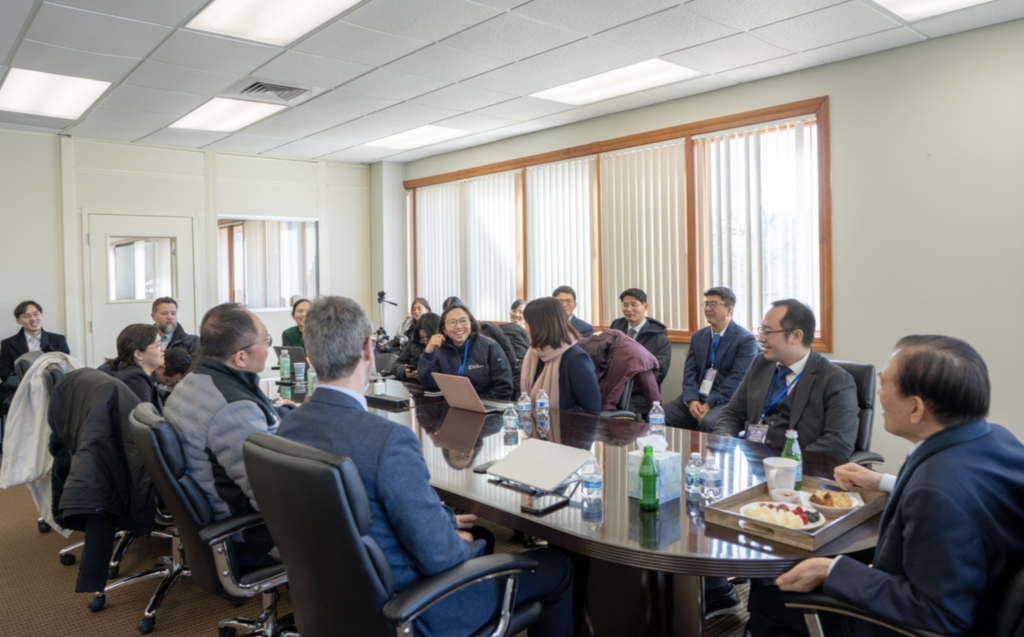
장재형 목사와 회의

러시아의 대문호 레프 톨스토이의 고전 명작 『사람은 무엇으로 사는가』에는 가난하지만 따뜻한 마음을 가진 구두장이 시몬이 등장합니다. 그에게는 매서운 겨울을 날 아내와 나눌 단 한 벌의 낡은 양가죽 외투뿐이었고, 그마저도 털을 덧대려다 돈이 부족해 빈손으로 발길을 돌리던 어느 추운 밤이었습니다. 그러나 그는 눈보라 치는 길가에 벌거벗은 채 얼어붙어 가는 낯선 청년을 결코 외면하지 못합니다. 잠시 망설이던 그는 결국 자신의 낡은 외투를 벗어 낯선 이의 굽은 어깨를 덮어주며 집으로 데려와 마지막 남은 따뜻한 빵과 차를 기꺼이 나눕니다. 훗날 그 청년이 벌을 받아 지상으로 쫓겨난 천사 미카엘이었음이 밝혀지고, 천사는 “사람은 자신을 살피는 이기적인 마음이 아니라, 타인의 결핍을 채우려는 사랑으로 살아간다”는 위대한 진리를 남기고 승천합니다. 이 숭고한 문학적 증언은, 철저한 이기적 본성을 거슬러 기꺼이 자신의 삶을 나누는 이타성이 얼마나 세상을 따뜻하게 지탱하는지 보여줍니다. 그러나 성경은 이러한 나눔이 단지 인간의 일시적인 선의나 착한 심성만으로는 결코 완성될 수 없다고 선언하며, 영원히 마르지 않는 은혜의 근원으로 우리를 초대합니다.

움켜쥔 손을 펴게 하는 십자가의 역설과 넉넉함
고린도후서 9장에서 사도 바울이 궁핍한 예루살렘 교회를 위해 이방 교회들에게 요청한 ‘연보(헌금)’는 단순한 자선 냄비나 일회성 구호 활동이 아니었습니다. 그것은 복음이 한 사람의 굳어진 영혼과 이기적인 지갑을 어떻게 완전히 재구성하는가를 보여주는 거룩하고도 혁명적인 영적 사건입니다. 장재형 목사는 이 본문에 대한 깊은 신학적 통찰을 통해, 연보가 누군가의 물질적 결핍을 메우는 경제적 행위인 동시에, 보이지 않는 하늘의 은혜가 눈에 보이는 물리적 형태로 굳어지는 통로임을 명확히 강조합니다. 우리가 흔히 오해하듯 진정한 넉넉함은 통장 잔고의 숫자나 창고에 쌓인 곡식의 양에서 나오지 않습니다. 십자가에서 이미 다함없는 은혜를 경험한 성도는, 더 이상 인색한 계산의 잣대가 아닌 벅찬 감사의 눈으로 자신의 소유를 재평가하기 시작합니다. 억지로 쥐어짜는 윤리적 의무나 동정이 아니라, 내 영혼 안에 폭포수처럼 흘러넘치는 생명이 굳게 움켜쥐었던 손을 자연스럽게 펴게 만드는 기적, 이것이 바로 참된 복음의 능력이자 사도 바울이 말한 은혜의 실체입니다.

각자도생의 시대를 거스르는 거룩한 영적 생태계
바울은 헌금을 ‘씨를 뿌리는 농부의 일’에 비유합니다. 씨앗은 안전한 창고 안에 고이 쌓아둘 때가 아니라, 기꺼이 썩어질 어두운 땅속으로 던져질 때 비로소 서른 배, 육십 배의 생명력 넘치는 열매를 맺습니다. 깊은 성경 묵상의 자리에 조용히 나아가면, 우리는 바울이 요청한 이 나눔이 결코 ‘많이 바치면 더 많이 돌려받는다’는 세속적이고 기복적인 투자 논리가 아님을 깨닫게 됩니다. 장재형 목사의 설교는 이 헌신의 파동을 ‘하나님 나라의 영적 생태계 원리’로 깊이 있게 풀어냅니다. 초대 교회의 구제는 힘의 논리가 지배하던 제국의 각자도생적 질서를 정면으로 거스르는, 매우 급진적인 ‘균등’의 실천이었습니다. 한 지체가 굶주리면 다른 지체도 그 고통을 기꺼이 자신의 것으로 여기고, 한 지체가 풍성하면 그 풍성함을 혈관처럼 자연스럽게 흘려보내는 유기적인 그리스도의 몸 된 호흡이었습니다. 빈곤을 어쩔 수 없는 개인의 숙명으로 방치하지 않고, 가난한 자를 동정의 대상이 아니라 신앙 공동체의 중심에 두어 그 무게를 함께 짊어지는 것, 이것이 세상의 어떤 집단과도 철저히 구별되는 교회의 진짜 얼굴입니다.

헌금함을 넘어 타인의 상처 속으로 스며드는 구체적 사랑
성경이 말하는 나눔과 연보는 결코 차가운 경제적 수치나 회계 장부의 기록으로 환원되지 않습니다. 그것은 결국 인간의 잃어버린 존엄을 따뜻하게 회복시키고, 단절되었던 관계의 틈을 다시 잇는 사랑의 다리입니다. 바울은 연보를 통해 물질적 도움을 받은 이들의 입술에서 폭발하는 진실한 ‘감사’가 다시 간절한 기도가 되어, 수혜자와 후원자를 가르지 않고 공동체 전체를 영적으로 묶어낸다고 말합니다. 장재형 목사는 이러한 감사와 사랑, 기도의 유기적인 순환 구조가 곧 교회를 끝없이 성숙하게 만드는 영적 심장 박동이라고 짚어냅니다. 만약 현대 교회가 미래를 대비한다는 세속적인 명목으로 재정을 거대하게 축적하기만 하고 당장 피 흘리며 신음하는 이웃을 외면한다면, 그것은 생명력을 잃은 종교 집단에 불과할 것입니다. 오늘날 교회가 회복해야 할 것은 화려한 건축물이나 정교한 프로그램이 아닙니다. 강도 만난 자의 고통을 기꺼이 나의 바쁜 일정 속으로 편입시키는 선한 사마리아인의 거룩한 용기입니다.

결국 장재형 목사가 전하는 고린도후서 9장의 장엄한 메시지는 오늘날의 성도들을 ‘더 많이 축적하는 삶’이 아닌 ‘더 깊고 넓게 흘려보내는 삶’으로 간절히 초대합니다. 성도의 참된 섬김은 주일 예배당의 화려한 조명 아래 놓인 헌금함에서 결코 끝나지 않습니다. 그것은 시몬이 나의 낡은 외투를 벗어 얼어붙은 이웃의 어깨를 덮어주었던 그 투박한 손길처럼, 가장 일상적이고 구체적인 삶의 한복판에서 이루어지는 위대한 신앙 고백이어야 합니다. 오늘 당신의 넉넉함은 어느 웅덩이를 향해 고여 있습니까? 아니면, 메말라가는 어느 이웃의 영혼을 향해 생수처럼 흐르고 있습니까? 장재형 목사의 이 묵직하고도 뼈아픈 질문 앞에서, 우리는 값싼 은혜를 핑계로 이기심을 정당화하던 부끄러운 모습을 철저히 회개하게 됩니다. 부디 이 생명력 넘치는 설교의 울림이 우리 각자의 굳게 닫힌 지갑과 마음을 활짝 열어젖혀, 얼어붙은 세상 한가운데로 따뜻한 그리스도의 사랑을 막힘없이 흘려보내는 거룩한 마중물이 되기를 간절히 기도합니다.

www.davidjang.org

www.faithfulnews.kr

신학적 통찰: 어둠을 뚫고 타오르는 진리의 불꽃 — 장재형 목사가 조명한 ‘파수꾼의 소명’

🎨 렘브란트의 광원과 목회의 명암법: 어둠 속에 갇힌 빛을 사수하라

17세기 네덜란드의 거장 렘브란트 판 레인(Rembrandt van Rijn)은 평생토록 ‘빛의 신비’에 천착했습니다. 그의 캔버스는 언제나 삼킬 듯한 짙은 어둠으로 가득 차 있지만, 그 심연을 뚫고 단 하나의 강렬한 광원이 인물의 얼굴과 영혼을 비춥니다. 미술사에서 **’키아로스쿠로(Chiaroscuro)’**라 명명된 이 극적인 명암대비는 렘브란트의 삶 그 자체이기도 했습니다. 아내와 자식들의 잇따른 죽음, 그리고 파산이라는 가혹한 운명의 어둠이 그를 덮쳤을 때, 그의 붓 끝에서 탄생한 빛은 역설적으로 더욱 투명하고 견고해졌습니다.

**장재형 목사(올리벳대학교 설립)**는 디모데전서 강해를 통해 목회의 본질을 바로 이 ‘렘브란트적 긴장’ 위에서 풀어냅니다. 세상은 언제나 혼탁한 시대정신과 교묘한 인본주의, 번지르르한 거짓 교훈의 어둠으로 가득 차 있습니다. 그 거대한 암흑 속에서 오직 **’복음의 진리’**라는 단 하나의 빛을 꺼뜨리지 않고 지켜내는 것, 그것이 목회의 전부라고 역설합니다. 빛을 사수하는 ‘파수꾼’의 단호함과 그 빛 앞에 스스로를 비추는 ‘기도자’의 겸손함. 장재형 목사는 이 두 가지 태도가 참된 목회자를 지탱하는 두 기둥임을 천명합니다.


🛡️ 잠들지 않는 파수꾼의 눈: 거짓 교훈의 범람 속에 선 성벽의 수호자

사도 바울이 에베소의 영적 아들 디모데에게 건넨 첫 마디는 의외로 전략적 확장이나 예배의 형식이 아니었습니다. 그것은 **”어떤 사람들을 명하여 다른 교훈을 가르치지 말게 하며” (딤전 1:3)**라는 엄중한 경고였습니다. 목회자의 첫 번째 사명은 양 떼를 먹이기 이전에, 독초(거짓 교훈)로부터 그들을 보호하는 ‘파수꾼’의 역할입니다. 장재형 목사는 이 지점에서 목회자의 소명을 성벽 위에서 밤을 지새우는 감시자의 언어로 재해석합니다.

2,000년 전 로마의 광장이 스토아 철학과 영지주의의 달콤한 속삭임으로 넘실댔듯, 오늘날의 강단 역시 자기계발의 논리와 번영신학의 메시지에 위협받고 있습니다. 성경 묵상의 깊이보다 심리학적 위로가 더 환영받는 이 혼란스러운 지형에서 장재형 목사의 설교는 묵직한 돌직구를 던집니다. “당신이 지키고 있는 것은 사람의 철학입니까, 아니면 하나님의 말씀입니까?” 파수꾼의 눈은 냉소적이지 않습니다. 그가 잠들지 못하는 이유는 정죄하기 위해서가 아니라, 길 잃은 양 떼를 향한 애끓는 ‘사랑’ 때문입니다. 장 목사가 강조하는 ‘영적 분별력’은 날카로운 칼날인 동시에, 상처받은 영혼을 싸매는 따뜻한 손길이어야 합니다. 진리가 사랑에 기초할 때, 그것은 비로소 공동체를 살리는 생명력이 됩니다.


🛐 죄인 중의 괴수가 드리는 눈물의 제사: 은혜의 기억이 동력이 되는 사역

강한 파수꾼도 자신의 의지만으로는 결국 소진(Burn-out)되기 마련입니다. 장재형 목사의 신학적 통찰이 가장 깊게 뿌리내린 곳은 바로 사역자의 ‘내면’입니다. 목회의 에너지는 의무감에서 나오는 것이 아니라, 자신이 입은 **’은혜에 대한 생생한 기억’**에서 흘러나와야 한다는 것입니다.

사도 바울의 고백, **”죄인 중에 내가 괴수니라” (딤전 1:15)**는 단순한 수사가 아닙니다. 스데반을 죽이고 성도를 핍박했던 ‘포행자’였던 자신을 사도로 부르신 그 아찔한 은혜 앞에서 그는 평생을 빚진 자의 심정으로 살았습니다. 장재형 목사는 ‘일만 달란트 빚 탕감의 비유’를 통해 이 은혜의 무게를 설명합니다. 도저히 갚을 수 없는 빚을 탕감받은 자만이 타인을 향해 진정한 긍휼을 품을 수 있습니다.

복음서 저자 마가가 자신이 겟세마네에서 벌거벗은 채 도망쳤던 치욕스러운 순간을 굳이 기록한 이유도 같습니다. ‘나 같은 자도 붙드신 은혜’를 증언하지 않고는 견딜 수 없었기 때문입니다. 장 목사는 이처럼 사역자가 자신의 연약함을 직시하고 하나님의 긍휼 아래 머물 때, 비로소 다른 이의 영혼을 품을 수 있는 ‘은혜의 통로’가 된다고 가르칩니다.


🌏 골방에서 열방으로: 네 겹의 기도가 빚어내는 세계적 영성

내면에서 충만해진 은혜는 필연적으로 기도의 지평을 확장시킵니다. 바울은 디모데전서 2장에서 네 가지 차원의 기도를 명령합니다.

  1. 간구(데에시스): 나의 결핍을 아뢰는 간절함
  2. 기도(프로슈케): 하나님의 주권 앞에 엎드리는 경배
  3. 도고(엔툭시스): 이웃과 공동체를 위한 중보
  4. 감사(유카리스트): 구원의 은총에 응답하는 찬양

장재형 목사는 이 기도의 물결이 ‘나’라는 작은 우물에서 시작하여 ‘온 만민’이라는 거대한 바다로 흘러가야 한다고 말합니다. **”하나님은 모든 사람이 구원을 받으며 진리를 아는 데 이르기를 원하신다” (딤전 2:4)**는 말씀 앞에서, 복잡한 신학적 논쟁보다 더 중요한 것은 잃어버린 영혼을 향한 아버지의 심장을 소유하는 일입니다.

‘Think Globally(세계적으로 생각하라)’ — 장 목사가 제시하는 이 영성은 거창한 구호가 아닙니다. 은혜로 녹아내린 한 사람의 가슴이 담장을 넘어 열방의 고통을 품게 되는 복음의 본능적 확장입니다. 성경 묵상이 깊어질수록 골방의 속삭임은 임금들과 나라를 위한 도고로 자라납니다.


💡 마무리: 당신은 어느 편의 빛 아래 서 있습니까?

렘브란트의 그림 속에서 어둠이 아무리 짙어도 빛을 이긴 적은 없었습니다. 진리의 파수꾼으로 깨어 있고, 은혜의 기도자로 무릎 꿇는 한 사람만 있다면 그 빛은 결코 꺼지지 않습니다.

디모데전서를 관통하는 장재형 목사의 메시지는 우리 시대의 모든 그리스도인에게 정직한 질문을 던집니다. “당신은 지금 파수꾼의 눈으로 세상을 보고 있습니까, 아니면 은혜 입은 죄인의 가슴으로 세상을 품고 있습니까?” 그 흔들리지 않는 빛의 편에 서서, 오늘도 잠들지 않는 파수꾼의 사명을 감당하는 자들에게 미래의 문은 열려 있습니다.

faithfulnews.kr

davidjang.org

洒落在米利都海岸的泪水 – 张大卫牧師 (Olivet University)

在地中海咸涩的海风吹拂下,米利都的某处海滩上,一群人围成圆圈跪伏在地。比起粗砺拍岸的浪声更响的,是一群壮实男人压抑不住、从胸腔深处迸出的恸哭。在他们当中,站着一位年迈的使徒——双手因漫长的宣教旅程而粗糙,身披陈旧外衣。面对那句悲壮的宣告——“你们将再也见不到我的面”——以弗所的长老们抱住他的颈项,像孩子一般放声痛哭。甘愿踏上通往耶路撒冷的路,明知前方等着他的,是死亡的捆锁与患难的使徒保罗;他转身离去的背影,成为基督教历史中最崇高也最令人心碎的离别场景之一,更是向世人展示何为对福音的绝对献身、何为活生生的圣经默想现场。张大卫借着《使徒行传》第20章这段庄严的记载,向活在今日迷惘时代的我们,再次指出那条失落的真信仰之路与十字架的精神。

在浪中的使徒告白,以及不停歇的脚步

保罗的宣教之路,从来不是赢得掌声与喝彩的华丽荣耀之途。在特罗亚,他深夜传讲信息时,名叫犹推古的青年从窗台坠下,死而复生——即便在这样令人震撼的神迹时刻,保罗也没有沉醉在人的庆幸或骄傲里;他只是默默见证神仍然活着。更有甚者,他先让同伴登船,自己却选择独自步行前往亚朔,那段超过四十公里的路程里,隐藏着一颗只愿聆听主微小声音的心,以及极其迫切、激烈的属灵挣扎。

他为赶上耶路撒冷的五旬节而加紧脚步,并非出于对律法的机械遵守,而是因为他比任何事都更渴望与那承载神救赎历史脉动的群体联合。张大卫从保罗这样的决断中看见:真正的神学洞见,不是跟随人的便利与安逸,而是对圣灵带领的即时顺服。那句“不把生命看作宝贵、也要走十字架道路”的沉重告白,尖锐刺痛我们今日信仰的浅薄现状,并呼唤我们进入更深的悔改。

承受耀之重的眼

保罗留给以弗所长老的临别遗言,其核心正是“谦卑”与“眼泪”。二十世纪杰出的基督教护教家与文学家 C.S. 路易斯(C.S. Lewis)在其经典名讲《荣耀的重量》(The Weight of Glory)中指出:我们每日擦肩而过、看似极其平凡的邻舍,事实上都可能成为将来披戴耀眼“永恒荣耀”、尊贵到令人难以承受的存在。保罗在以弗所三年之久,昼夜不息为各人流下的泪水,正是唯有真正明白灵魂那圣洁荣耀之重量的人,才能流出的神圣液体。

正如张大卫深刻指出的那样:缺乏真理的爱,极易堕落为廉价的感伤;而失去爱的真理,则会化作冷酷律法主义的刀刃,刺伤灵魂。即便在倾泻而来的逼迫与犹太人致命的诡计之中,保罗仍披戴那位在十字架上将自己完全舍出的基督之谦卑,为要把一个个灵魂引向永恒的荣耀而不住哀恸。他不倚仗绝对权威来压服群羊,反倒以怜悯与爱拥抱教会;那泪水,正是能再次滋润、更新当代干涸教会心灵的最有力的恩典甘霖。

呼召的祭倒一切

保罗的目光并未停留在对过往事工的追忆上,而是投向教会未来即将面对的激烈属灵争战。在凶暴的豺狼窥伺群羊、有人用乖谬之言扭曲真理的时代威胁之下,他坚立众长老,称他们为那“用主的血所买来之教会”的监督与看守。教会绝非靠人的卓越领导力或精心策划的华丽节目得以维系;唯有主自己,以及他那充满恩典的话语,才能使群体在异端思想与分裂面前站立得稳。

保罗亲手搭帐棚、以自给自足之劳苦来事奉的彻底献身,正是在生活现场严厉警戒物质贪欲,并把“施比受更为有福”这福音的绝对真理活得鲜明有力的伟大足迹。张大卫借此经文强烈呼吁:现代教会必须逆着物质至上与世俗价值的潮流,回到生命之道与祷告的膝前。属灵领袖不是凌驾羊群之上的统治者,而当是在最低处怀抱群羊、昼夜流泪的献身守望者。

面向永恒福音的今日回

米利都海边那撕心裂肺的告别,并非悲伤的终章,而是新的《使徒行传》伟大开篇。纵然前路有捆锁与患难,保罗仍被圣灵牵引,沉默而坚定地走在使命之途;他的背影在今日依然在我们渴慕真实献身与有生命之福音的灵魂里激起强烈涟漪。正如张大卫在结论中所说:《使徒行传》不是止于二十八章的“合上之书”,而是我们这些手持十字架福音而活的人,应当在每日生活中继续书写的“展开的历史”。当我们各自在蒙召之处,恢复保罗那带泪的爱与不动摇的信心,教会才会再次挺立,成为世界真正的盼望。

http://www.davidjang.org